
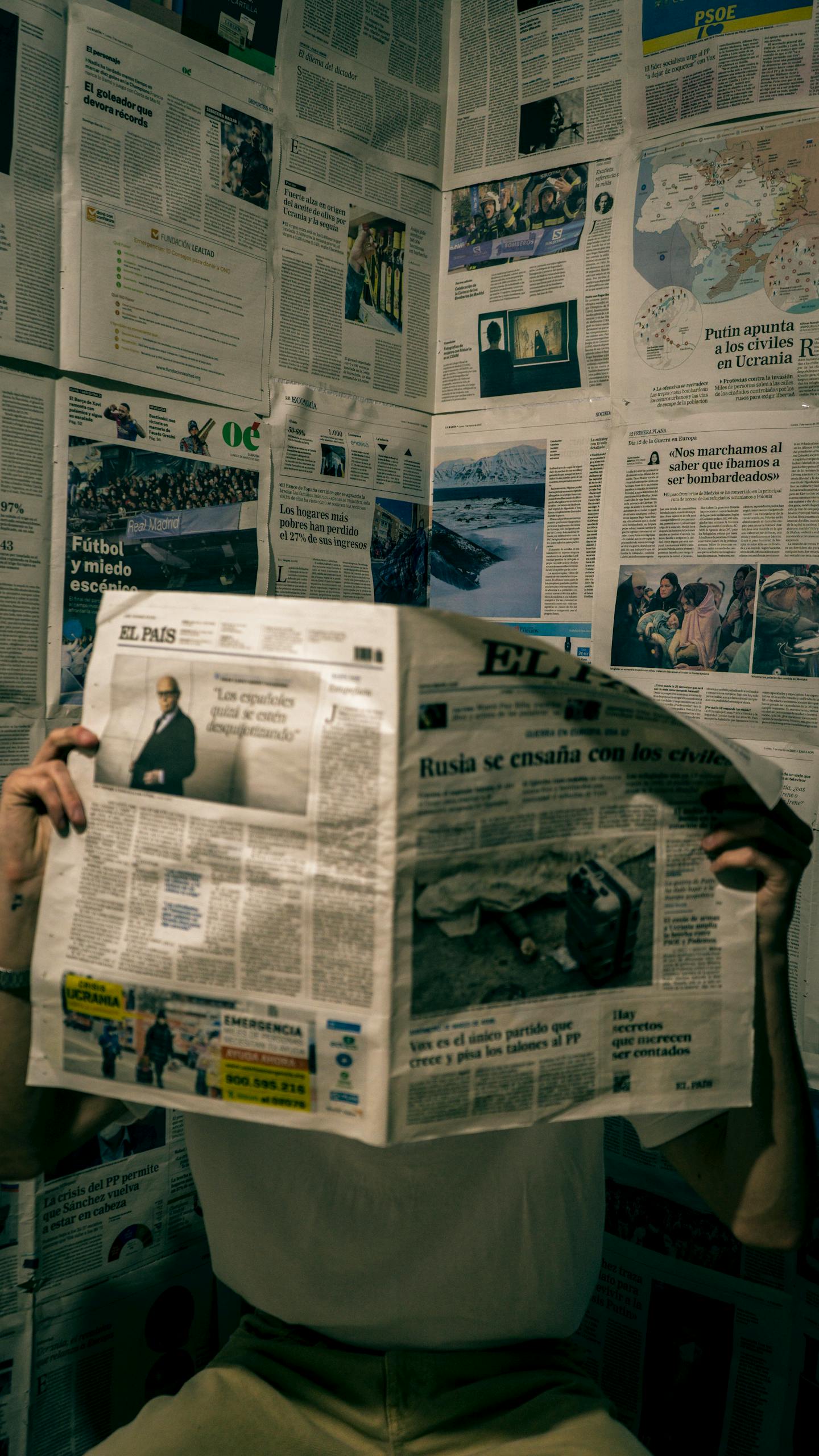
Double-standards in visual images in Media helps societal harm to marginalised communities
Double standards in visual media reporting continue to cause real harm to marginalised communities.
The images chosen to accompany news stories about family violence are not neutral; they shape public perception of who is dangerous, who is sympathetic, and who is redeemable. When perpetrators who are white men are consistently shown in “nice, smiling” photos, while perpetrators who are Asian women or other marginalised people are shown in harsh, unsympathetic images, the message is clear: some offenders are humanised, others are demonised.
Consider the reporting around Tom Phillips and Benjamin Timmins. Both were responsible for serious family harm. Phillips removed his three children from their mother and kept them isolated from schooling, healthcare, and wider community. Timmins shot his partner and two adult children following a history of family violence. These are grave acts with devastating consequences.
Yet media outlets have repeatedly published smiling, relaxed photographs of these men—images that suggest warmth, normalcy, and even kindness. A smiling portrait subtly invites empathy. It frames the perpetrator as a “good man” who made a tragic mistake rather than as someone who committed deliberate abuse. Visual framing matters. When the public repeatedly sees white male offenders presented this way, it reinforces a long-standing cultural script: white men are complex, redeemable, and deserving of compassion.
This is not an accident detached from history. Western media traditions developed within colonial systems that centred and protected white masculinity. For centuries, narratives justified white men’s expansion, colonisation, violence, and dominance as ‘civilising’ or ‘rational’. That legacy lingers in subtle but powerful ways, including in the everyday editorial choice of which photograph to publish.
Language compounds the problem. Reporting about white male perpetrators often relies on passive constructions: “she was killed,” “the incident occurred,” or “Timmins was stabbed by a family member.” Such phrasing obscures agency and shifts focus away from the harm inflicted. Instead of “she was killed,” we should read “he killed her.” Instead of “children were taken,” we should read “he took them.” Naming the perpetrator and the act clearly is a basic standard of accountability.
Contrast this with coverage of offenders who are not white men. When the perpetrator is an Asian woman or another marginalised person, the benefit of the doubt frequently disappears. In reporting on Hakyung Lee who killed two children and left their bodies in suitcases, media coverage prominently featured stern or “guilty-looking” images rather than neutral or celebratory photos. The visual tone suggested deviance and coldness. Similarly, when reporting on Tania Shailer, headlines did not hesitate to foreground the crime in stark terms, such as “child killer.” The crime is named plainly and immediately.
To be clear, crimes should be named plainly—regardless of who commits them. The issue is inconsistency. When marginalised offenders are described in explicit, active language and shown in their least flattering images, while white male offenders are framed gently and humanised visually, the public absorbs a racialised and gendered hierarchy of blame. It teaches society, implicitly, that white men are aberrations when they offend, while others are embodiments of criminality.
These patterns also intersect with gender. When women, particularly Asian women, commit serious crimes, the narrative often emphasises abnormality or monstrosity. Their deviation from expected femininity is highlighted. In contrast, violent white men are sometimes framed as troubled, stressed, or overwhelmed—explanations that soften rather than confront.

Image source: Markia Khabazi / AFP – Getty Images
Media organisations must do better. Photographers, editors, and journalists need training in recognising implicit bias and understanding how visual framing can reproduce structural harm. Editorial guidelines should require consistency: similar crimes should be accompanied by similar standards of image selection and language, regardless of race or gender. If a smiling wedding portrait is deemed inappropriate for one perpetrator, it should be inappropriate for all. If crimes are named directly for some, they must be named directly for everyone.
Accountability in the media is not about erasing nuance or denying humanity. It is about refusing to selectively humanise only those who already benefit from structural power. White men, women, Tāngata whenua, migrants—anyone who commits serious harm—should be represented with fairness and clarity, not with imagery or wording that shields some and stigmatizes others.
Visual choices are political choices. When the media dismantles these double standards, it helps dismantle the broader social hierarchies they sustain.